Where is Florence, and Why is it Special?
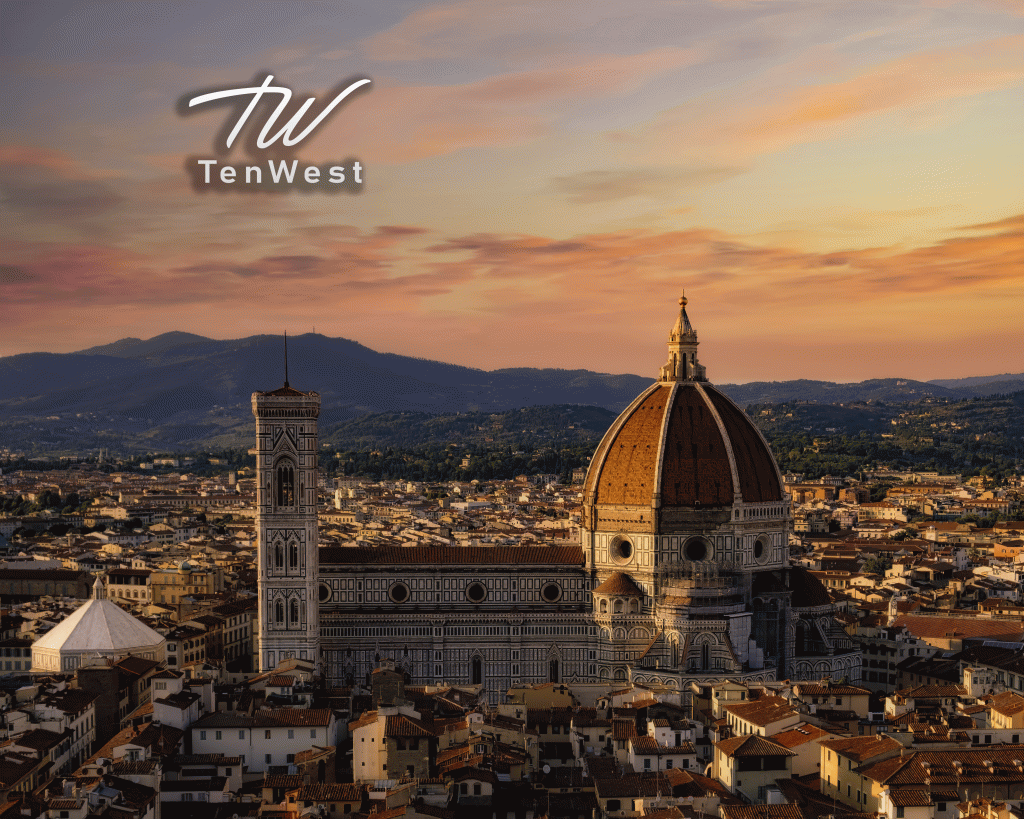
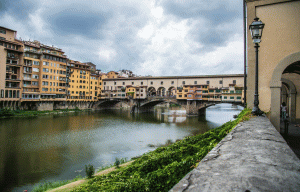
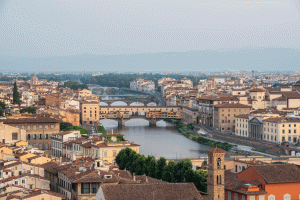
Florence, the capital of Italy’s Tuscany region, is one of Europe’s most culturally rich cities. Nestled in a lush valley along the Arno River, it is surrounded by scenic hills covered with vineyards and ancient villas. Located about 230 kilometers from Rome, it has a population of approximately 382,000. Florence is the birthplace of the Renaissance, the city of Dante, Michelangelo, Leonardo da Vinci, and, of course, Guccio Gucci. Renowned not only for its artistic treasures but also for its work culture and unique industrial skills, Florence has earned a global reputation. For centuries, Florentines have excelled in fine crafts, including gold, textiles, and leather. The city’s artistic atmosphere, combined with a demand for quality in design and execution, has created an environment where luxury brands were born.
How Did Florence Become the Leather Capital of the World?
The history of Florence’s leather industry dates back to the Middle Ages. In 1282, the guild “Arte dei Cuoiai” (Leather Artisans) was established, enforcing strict quality regulations that led to the production of exceptional leather. They were required to use only natural leather, and production was conducted in a closed framework to protect trade secrets. This discipline made Florence a model for global producers in the centuries that followed.
With population growth and tourism, leather producers in the 19th century, due to the pungent smell of the tanning process, were forced to relocate their workshops to the Santa Croce sull’Arno area, which today produces 85% of Italy’s leather. This move, besides resolving urban issues, led to a greater focus on industrial production.
Legendary Brands Born in Florence: A Legacy of Authenticity, Design, and Innovation
Florence, the cradle of the Renaissance and art, is not only famous for its galleries and magnificent churches but also holds a legendary status in the world of fashion. The city’s name may be unfamiliar to some, but a glance at the list of global luxury brands reveals names like Gucci, Salvatore Ferragamo, and Pineider, shining brightly and proclaiming the city’s rich heritage.
Guccio Gucci, the founder of Gucci, began his journey in Florence, but the spark of his idea came while working as a porter at the Savoy Hotel in London, inspired by the leather suitcases of aristocratic travelers. Upon returning to his hometown, leveraging Florence’s leather-making heritage and a fresh vision of the luxury market’s needs, he opened the first Gucci store in 1921. Today, Gucci is one of the most influential luxury brands globally, still rooted in Florence’s authentic design and quality.
Salvatore Ferragamo, the legendary shoe designer, also started his journey in Florence. By blending anatomy with design artistry, he created shoes that caught the attention of Hollywood stars. His brand became a symbol of elegance and engineering in footwear design, with its headquarters still in Florence.
Pineider, another historic brand from the city, was founded in 1774. This luxury brand is renowned for stationery, leather goods, and executive accessories, offering products crafted with utmost precision and beauty, always a favorite among politicians, writers, and top executives.
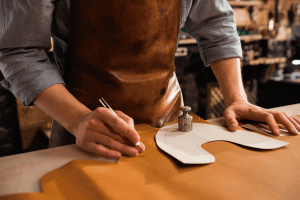
The common thread among these brands is their deep roots in Florence’s leather industry—an industry that excels not only in production skills but also in creativity and commercialization. Institutions like Scuola del Cuoio (Florence Leather School) have played a key role in preserving this legacy. Established within the Santa Croce monastery, this school hosts students from around the world each year who come to Florence to learn the authentic techniques of leather crafting.
What sets Florence apart is not just leather production but its ability to weave storytelling, brand-building, and the fusion of art with industry. This is a city where leather is not merely a raw material but a living spirit that travels the world through global brands. For any producer or fashion enthusiast, understanding the journey of these brands is a treasure trove of inspiration and knowledge.
Innovation, Sustainability, and the Future of Florence’s Leather Industry
Florence remains committed to tradition but does not resist innovation. The city’s leather factories are equipped with recycling systems, advanced treatment plants, and green technology. Trends like metal-free tanning, natural dyeing, and waste utilization are becoming standard in Florence’s leather industry. This sustainable approach ensures the industry’s future and serves as a significant model for countries like Iran.
Other Leather-Producing Countries
Alongside Italy, which holds the unrivaled title of the world’s leather capital, other countries also play significant roles in the global leather industry with strength and high quality. Topping the list is China, producing over 6.5 billion square feet of leather, making it the world’s largest producer, primarily of bovine leather. Brazil follows, focusing on bovine leather with an annual production of 2.4 billion square feet. Russia produces over 1.4 billion square feet of lightweight bovine leather annually. India, with its diverse production of bovine, sheep, and goat leather, is not only a major producer but also a strong exporter. South Korea produces over 10,000 hectares of lightweight sheep and goat leather annually. Argentina, with its distinguished history in bovine leather, supplies about 6,700 hectares to the market each year. The United States, with 6,200 hectares of bovine leather production, remains a key player in the industry. Despite challenges from the pandemic, Mexico continues to grow in international markets. Turkey, with its historical roots in leather craftsmanship, is recognized as an exporter of luxury leather products. Finally, Germany, with its engineering precision, plays a vital role in producing industrial and automotive leather. These countries, each with unique characteristics, are pillars of the global leather market, and their names shine in every discussion about quality and diversity.
Florence is more than a city; it is a symbol of authenticity, art, and economic strength in the global leather industry. A city that, by blending traditional skills, sustainable innovations, and global brands, has claimed the title of “leather capital of the world.” Florence’s experience shows that success in the global market depends not only on the quality of raw materials but also on respect for cultural heritage, proper education, smart investment, and the development of authentic brands.
For countries like Iran, Florence is not just a model but a starting point for a clear path toward transformation in the leather industry. Iranian producers, designers, and traders can, by looking to this model, secure a prominent position in domestic and international markets.
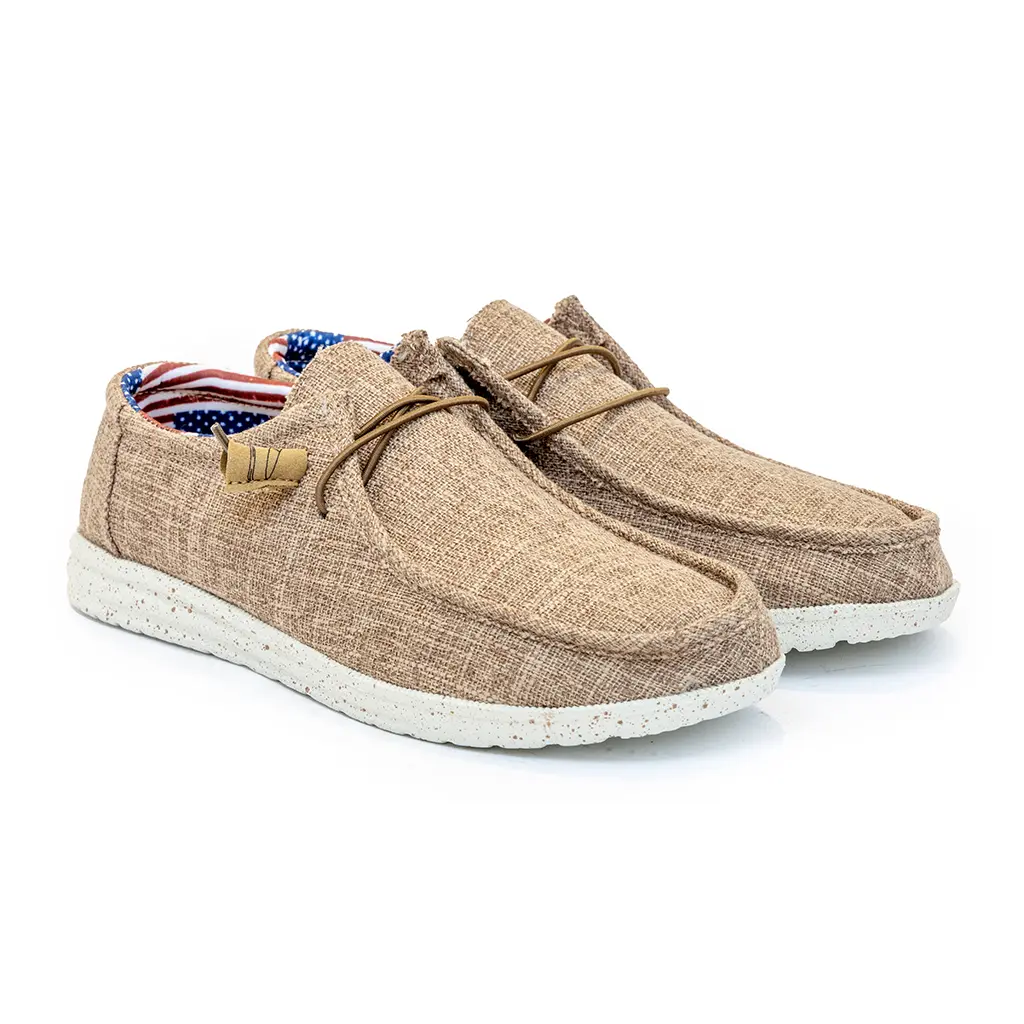
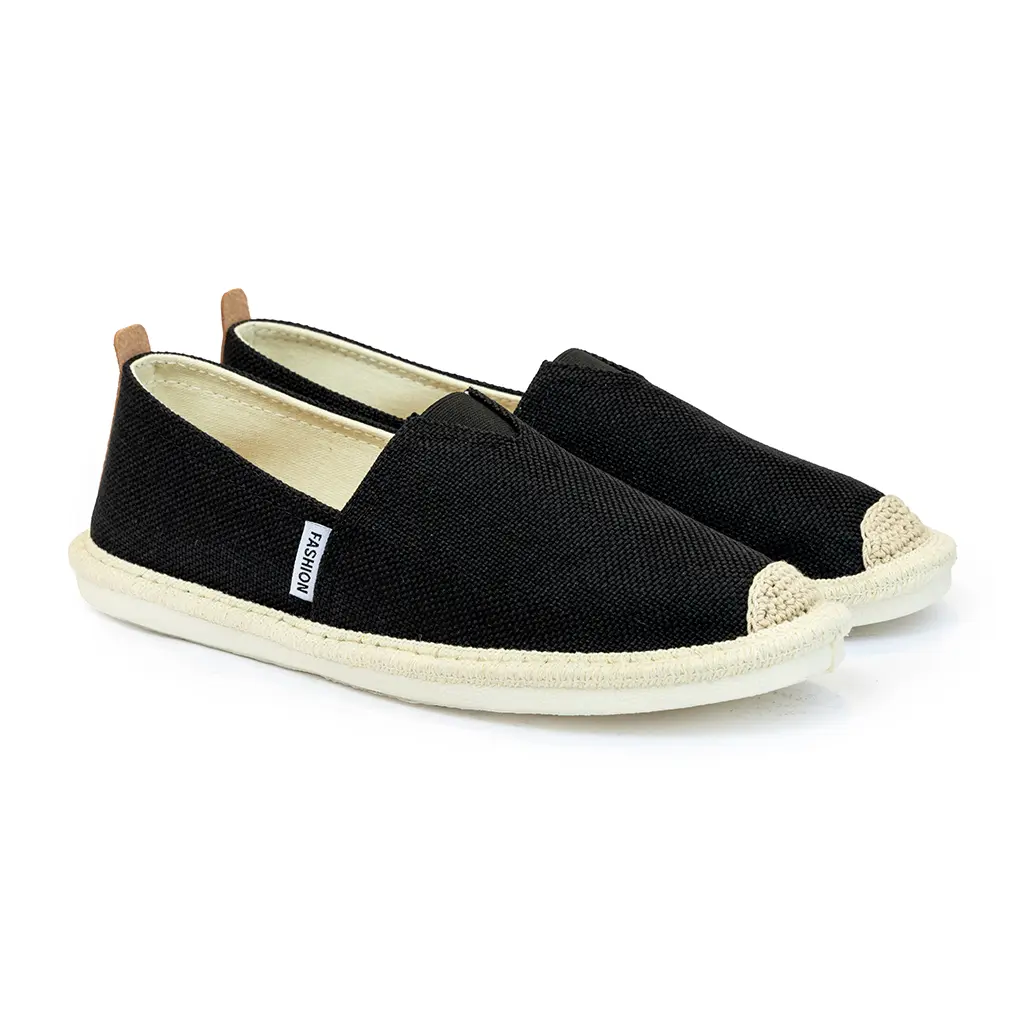
On this journey, Tenwest is by your side. We assist our clients in Iran and abroad with wholesale supplies of various women’s and men’s bags and shoes, leather sets, executive gifts, and administrative and organizational bags, helping them shine with high-quality, well-crafted products.
📞 Call today at 09123370766 and benefit from specialized consultation, competitive prices, and a reliable partnership experience.