

Customer Purchase Journey: Mapping the Buyer’s Mind
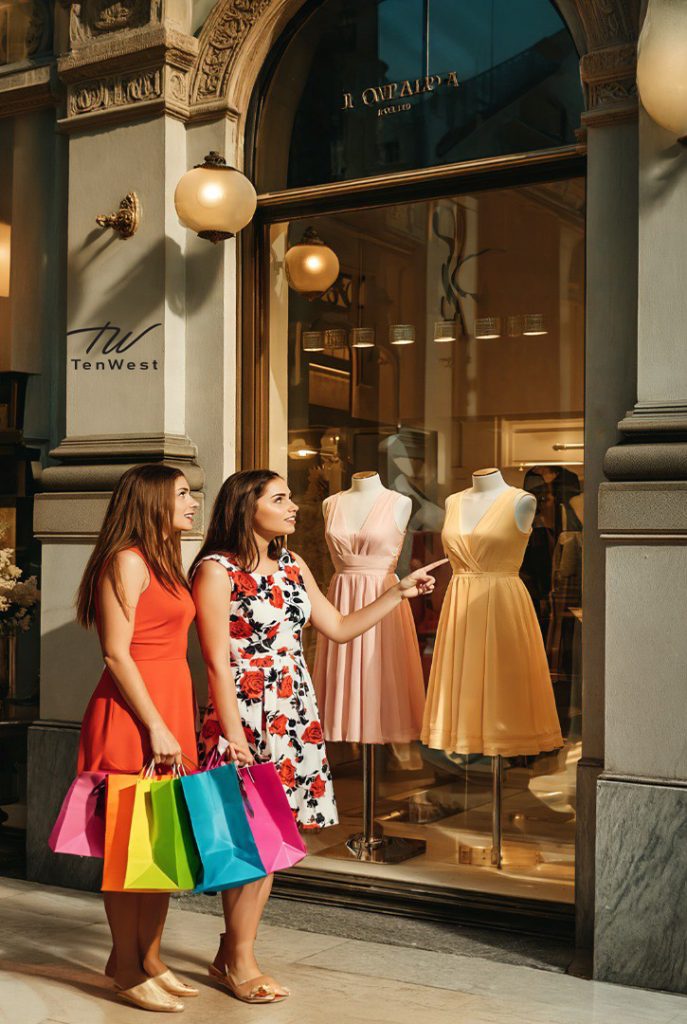
A customer doesn’t enter a store merely to buy a handbag; they are seeking a specific feeling. The purchase journey in the imported handbag and shoe market is a multi-stage path that begins with the initial encounter with the product and continues through purchase, use, and even returning to the brand.
Customers pay attention to details above all. When touching a handbag, they notice the softness of the strap, the shine of the hardware, the finesse of the stitching, and even the packaging. But this journey isn’t confined to the store. Many have already checked your brand’s Instagram, read other users’ reviews, and even saved a screenshot of their favorite product.
More importantly, they share their purchase experience with others, whether at a friendly gathering, via an Instagram story, or through an online review. In such a context, every touchpoint with the customer—from the storefront to after-sales service—must align with your brand’s message. Any inconsistency disrupts the customer’s journey and risks losing them.

Sales Data Mining: Insights Hidden in Past Invoices
Every sales invoice is more than just numbers; it’s a report on customer behavior and preferences. A professional businessperson asks behind every figure: *Why did this product sell?*
For instance, if you notice that earthy tones like terracotta and cream sold more in autumn, or that handbags with patterned inner linings performed better in winter sales, you’re uncovering patterns that can shape your imports for the next season.
The response rate to discounts is also critical. You might find that discounts above 20% attract new customers but lead to an eroding price war rather than higher profits. Or, you may observe that specific timeframes, such as after posting a particular Instagram story, trigger a sudden spike in purchases. This indicates that your digital activity directly influences customer buying behavior.

Customer Segmentation
In today’s commerce, a single handbag model cannot satisfy everyone. Segmenting customers based on psychological traits, geographic factors, and purchasing behavior enables you to select imported collections with precision and purpose.
For example, some customers are trend-driven, seeking bold, unique designs that stand out at first glance. In contrast, classic-preferring customers are drawn to simple models in neutral colors with lasting appeal. Another group is price-sensitive, seeking a balance between cost and final value. Finally, brand-conscious customers favor designs reminiscent of global luxury brands.
Understanding these segments ensures you avoid confusion in product selection and allows you to offer tailored proposals for each group.
Digital Customer Behaviors
Today, customers make decisions in the digital realm before stepping into a store. Behaviors like liking posts, saving content, commenting, viewing stories, or abandoning online carts are all clues to their mindset.
If a specific model on your page gets high views but no sales, the issue might lie in pricing, photo angles, or even product naming. If a post is saved repeatedly but doesn’t convert to purchases, the customer may be waiting for a discount or a better financial moment. Analyzing these patterns helps you design targeted sales campaigns for each handbag or shoe model, striking at the perfect moment to close the sale.

Psychology of Color, Shape, and Material in Customer Decisions
Most purchase decisions are made subconsciously. The shape of a handbag, its color, the gleam of its hardware, the material, and even the packaging influence the customer’s perception. Knowing these details is the ace up a professional importer’s sleeve.
For instance, in autumn, neutral tones like gray, taupe, and beige sell better, as they resonate with the nostalgic and soft ambiance of the season. Chain straps or designs evoking specific logos convey a sense of luxury, driving higher sales. Additionally, handbags presented in elegant boxes or covers are the top choice for gift-giving occasions like birthdays or holidays.
Seasonal and Occasion-Based Buying Patterns
One common mistake is importing blindly without considering the customer’s psychological calendar. Buying behavior during the school season, New Year’s Eve, summer, or winter varies significantly. Analyzing these patterns tells you:
When is the best time to import? When should you clear inventory? Which occasions are ideal for launching a specific collection?
For example, models that didn’t sell during Nowruz are likely to remain stagnant in summer and should be replaced with up-to-date trends.

Smart Decision-Making in Importing
A wrong import decision equates to dormant capital, stockpiled inventory, and reduced liquidity. But when customer behavior analysis is conducted scientifically and systematically, you know exactly what to import, when, and for whom.
In such a scenario:
-
Your products are imported with a high likelihood of selling
-
Best-selling models are reinforced and even repeated
-
Past mistakes can be analyzed and prevented
This is the point where imported wholesale transforms from a high-risk trade into a precise, profitable, and sustainable business.
Customer behavior analysis is not just a supplementary tool; it is the backbone of every professional business decision. To stay ahead in the imported women’s handbag and shoe market, you must move beyond superficial observations and achieve a deeper understanding. Read the customer, don’t just see them.
If you’re seeking handbags, shoes, or corporate collections, the Tenwest team, with experience collaborating with professional stores nationwide, is ready to guide you and supply exclusive products. For specialized consultation and order placement, contact us.