

Handcrafted Leather: An Art Created with Precision and Patience
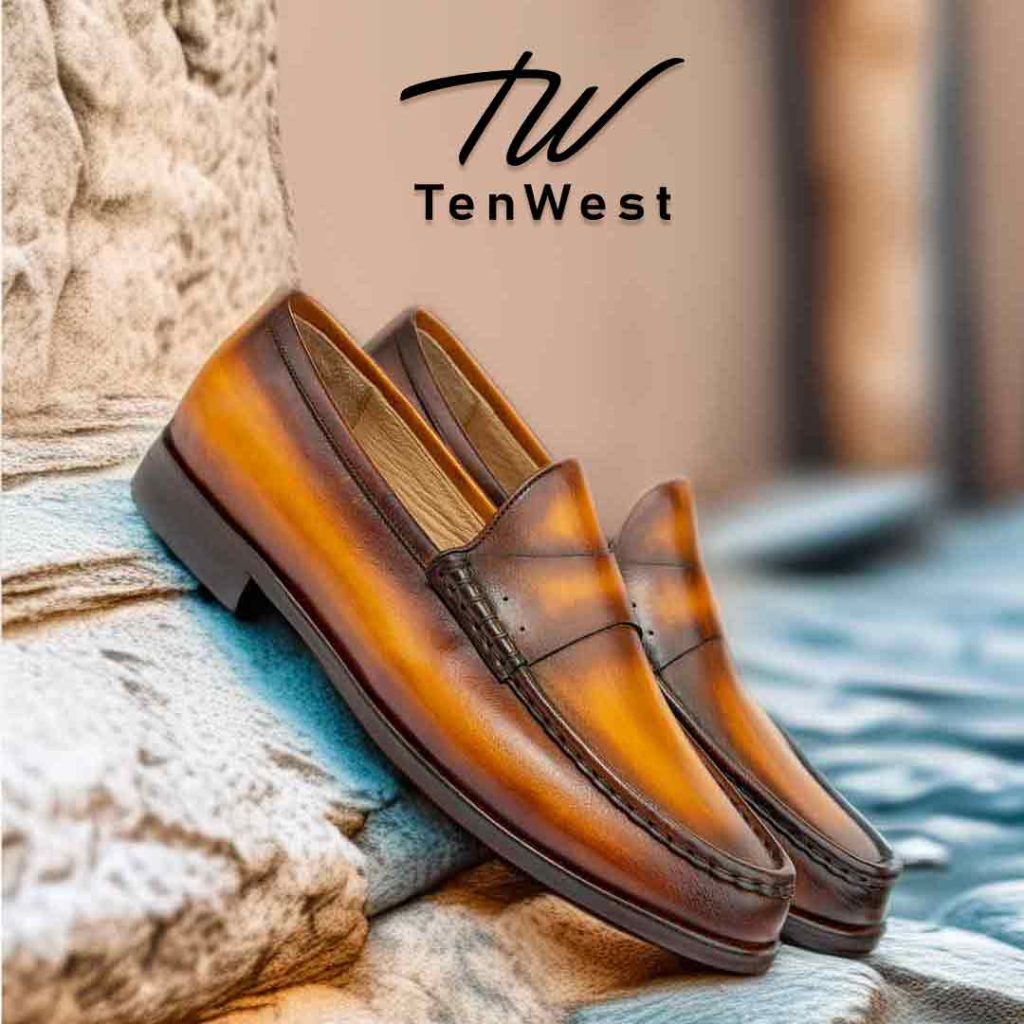
Handcrafted leather is a product that showcases the artistry and skill of leather artisans from start to finish. This process involves meticulous stages, all performed entirely by hand, requiring significant attention and precision. In this method, no machines or automated equipment are used; instead, every step—from cutting and stitching to final finishing—is carried out with great care and high skill.
The leather artisan uses specific, traditional tools at each stage of production. Precise and delicate cutting of the leather is one of the primary steps, significantly impacting the final product’s quality. In this process, the leather is manually cut using scissors, specialized knives, or other tools into pieces with exact sizes and shapes. Precision in this stage is critical, as any mistake in cutting can manifest as a visible flaw in the final product.
After cutting, the leather is stitched. In this stage, strong threads and specialized needles are used for sewing. Hand-stitched leather involves passing the thread through both sides of the leather, resulting in greater stitch durability and a significantly stronger final product. Due to the artisan’s high precision and skill, the stitches are perfectly uniform and accurate, enhancing not only the product’s aesthetic appeal but also its resistance to pressure, tension, and tearing.
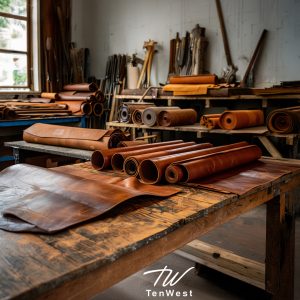
Another characteristic of handcrafted leather is its attention to detail. Unlike machine-made products, handcrafted items possess unique and distinctive features that manifest in every piece of leather. These differences are evident in the finesse of the stitches, edge trimming, and even the coloring and final finishing. Each of these attributes reflects the precision, patience, and time invested by the artisan in the production process.
Because each handcrafted leather product is made individually, no two pieces are ever identical. This uniqueness gives every handcrafted leather item a distinct and unparalleled story. Those passionate about luxurious and exclusive leather goods often gravitate toward handcrafted leather, as these products are recognized as symbols of art, skill, and precision, carrying significant sentimental value. Additionally, handcrafted leather typically performs better in terms of strength and durability, lasting for years while maintaining its beauty and quality.
Machine-Stitched Leather: Speed and Precision in Mass Production
Unlike handcrafted leather, machine-stitched leather products are primarily produced using industrial machinery and automated tools. In this method, all production stages, from cutting to stitching, are carried out by machines using pre-determined patterns. Due to its high production speed and lower costs, this method is predominantly used in large-scale industries for mass production.
In the machine-stitched leather process, laser cutting machines or automated templates are first used to cut the leather. These machines cut the leather into the desired pieces with high precision and in a short time. The use of such technologies, especially for large-scale production, reduces production costs and significantly increases the speed of the process.
In the stitching stage, advanced sewing machines are employed, capable of executing various patterns and designs. These machines can stitch at very high speeds, producing a large number of products in a short time. Moreover, machine-stitching equipment can create decorative, zigzag, and even more complex stitches, enabling greater variety in design and production. However, the high speed of this process can sometimes result in fewer of the intricate details and finesse found in handcrafted leather products.
Another feature of machine-stitched leather is its uniformity in production, meaning all products made with this method are identical in design and stitching. This characteristic is highly suitable for mass commercial production, as it allows for the rapid production and market release of large quantities of a single product.
However, due to the use of machines and pre-set patterns, machine-stitched leather typically cannot match the finesse and precision of handcrafted leather in terms of details. The delicate and unique details present in handcrafted leather are often less prominent in machine-made products due to the speed and industrial nature of the process. Additionally, machine-stitched leather, often using less durable threads and high-speed stitching, may not match the strength of handcrafted leather.
Ultimately, machine-stitched leather, with its lower production costs and high manufacturing speed, is a suitable option for commercially produced, high-volume products. These types of leather are commonly used in more affordable and practical items such as everyday bags, belts, and standard shoes.
Detailed Comparison of the Two Production Methods: Quality, Durability, and Beauty
One of the most significant differences between handcrafted and machine-stitched leather is the quality and durability of the product. Handcrafted leather, due to the use of strong threads and manual stitching, offers not only finesse but also exceptional resistance to tearing and pressure. Each stitch in this method is executed with precision and great care, resulting in a final product with remarkable strength and longevity. Since each piece is produced individually, the attention to detail and final finishing is exceptionally high, making handcrafted leather an excellent choice for those who prioritize quality and durability.
In contrast, while machine-stitched leather often has decent quality, the high production speed may lead to less precision in certain stages, such as cutting or stitching. In this method, especially during high-volume production, some of the delicate and precise details found in handcrafted leather may be overlooked, which can affect the finesse of the final product. Therefore, although machine-stitched leather is suitable for mass commercial production, it may fall slightly short in terms of overall beauty and product quality compared to handcrafted leather.
Production Time and Cost
Production time and cost are other factors that directly influence the choice of leather production method. Handcrafted leather naturally involves a longer production process. Each handcrafted leather piece requires hours, and sometimes days, of the artisan’s time to meticulously complete all stages, from cutting to stitching and finishing, with great precision and patience. This process, due to its attention to detail, also incurs higher costs. Since each piece is produced uniquely and exclusively, these products typically command a higher price.
In contrast, machine-stitched leather, with the use of advanced machinery, boasts a higher production speed, resulting in lower production costs. Automated machines enable products to be manufactured in less time, reducing production costs and the final product price. Thus, for those seeking more affordable leather products delivered in a shorter timeframe, machine-stitched leather may be the better choice.
Artistic and Cultural Value of Handcrafted Leather
Handcrafted leather stands out not only for its quality and durability but also for its greater artistic and cultural value. These products showcase the artistry of leather craftsmen, reflecting their skill, precision, and creativity in the craft. Each handcrafted leather product is made uniquely, with distinct characteristics that set it apart from other similar items. Due to their unique features, these products hold significant cultural and artistic value.
Handcrafted leather, due to its time-intensive nature and requirement for high skill, reflects respect for traditions and cultural values. Products made this way are recognized as authentic works of art with added value. Consequently, for those passionate about art and culture, handcrafted leather is not only a practical product but also an artistic investment.
Ultimately, the choice between handcrafted and machine-stitched leather depends on your needs, taste, and budget. Handcrafted leather, with its high precision, durability, and unique beauty, offers lasting and luxurious products suitable for those who value quality and artistry. On the other hand, machine-stitched leather, with its high speed and more affordable prices, is a good option for those seeking leather products at a lower cost.
If you’re looking to purchase high-quality, durable, and beautiful leather products, we recommend exploring our collection. We offer leather products with the finest quality and unique designs, making them an ideal choice for you. For purchases or consultations, contact us at 09123370766.